The thing I found unusual about this piece was its use of scripture. In works we have read previous to this one, it seemed everyone was anti-God when it came to ways of thinking. They would acknowledge his presence and force, but not give themselves completely over to that lifestyle. Instead Emerson uses his knowledge of the Bible in order to give more illustrations that others will understand. I think he used this technique in order to get a larger audience, or rather a more accepting audience to the ideas he was trying to get across. He even uses well known stories such as Jacob and the coat of many colors, so that people could draw different conclusions from what they have been told in church.
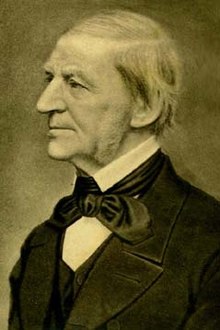
However, he certainly does gain a lot of enemies by saying, “I do not wish to expiate, but to live. My life is not an apology”. Many Puritans, as we have learned were of a self-afflicting nature. They believed they were to be continually punished and be happy about it. Living life as an apology would seem to suit them, because they know they are not perfect, and trying to live a good enough life in order to make up for it. They believed many of the sins they had to atone for were not just from their own mistakes, but from their families past too. Emerson directly goes against that with the argument that we as a people are to live for today, and not penitence for past wrong doings. By doing so he believed you would miss out on life entirely, and live in the past rather than enjoying the present. It should most importantly be something unique, and not repetitive.

No comments:
Post a Comment